
How to Choose a Marley Dance Floor (Australia & NZ)
Rosco marley dance floors · Australia & NZ
How to Choose a Marley Dance Floor (Australia & NZ)
Marley is the vinyl surface that makes ballet, contemporary and tap safe and consistent to dance on. But there isn't one marley — there's a permanent studio floor, a touring roll made to be laid and lifted weekly, reversible black/grey and black/white options, home kits and interlocking tiles. This guide walks you through the three questions that decide it, compares the full Rosco range, and lets you order the right floor. We hold Rosco in stock as the exclusive distributor for Australia & New Zealand.
Start with three questions
Three questions decide your floor
Before you look at gauges and colours, answer these three. They narrow the whole Rosco range down to one or two floors — and they're the same questions we'll ask you if you call.
1. Staying put or travelling?
A floor that stays down in one studio wants weight and grip — Adagio. A floor that gets rolled, moved and re-laid week after week needs to be built for it — Adagio Tour or Duètte. The wrong choice either breaks down on tour or feels light underfoot in a studio.
2. What's being danced on it?
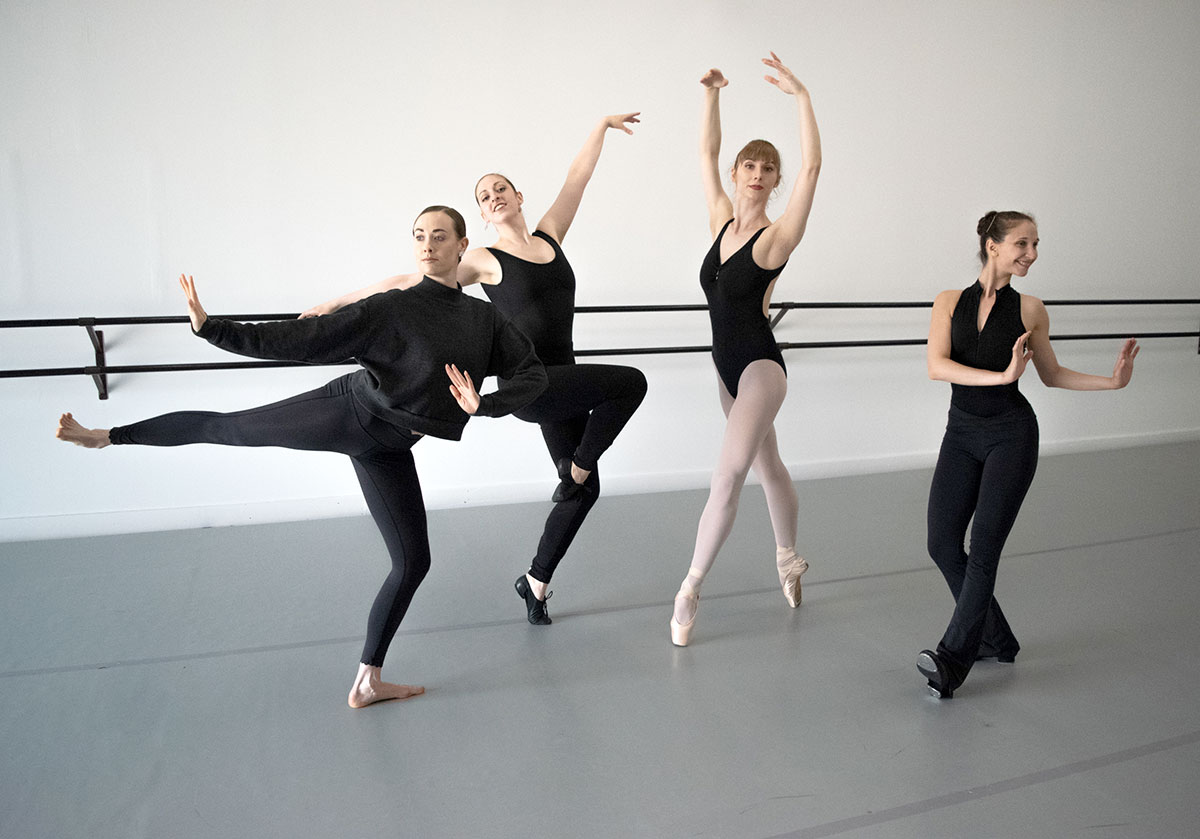
Ballet, contemporary and tap all want different amounts of slip. Pointe and contemporary want controlled grip; tap and percussive work want a firmer, more responsive surface. Tell us the styles and we'll match the surface — not sell you the heaviest thing in the catalogue.
3. What's underneath?
A sprung timber subfloor, a concrete slab or an existing hard floor each change what you lay and how. Marley is a wear-and-slip surface, not a shock-absorbing one — what's under it matters for both feel and safety. Measure the room and note the subfloor before you order.
The Rosco range compared
Which Rosco floor is which
Every floor below is genuine Rosco marley vinyl, held in stock in Sydney. Gauges and widths are Rosco's published specifications. If you've been quoted Tarkett or Harlequin and want to compare, ask us for the equivalent — it's a fair comparison to make and we'd rather you made it properly.
| Floor | Best for | Permanent or touring | Reversible / colours | Notes |
|---|---|---|---|---|
| Adagio® 2000 | Permanent dance studios and schools | Permanent (excellent); touring possible | Black or grey (single colour per bolt) | The permanent studio floor — heavier ~1.5mm gauge, slip resistant, built to stay down. 1.6m wide. |
| Adagio Tour™ 2000 | Touring companies and productions | Touring (excellent); not for permanent | Black or grey | Thinner ~1mm touring roll made to be laid and lifted repeatedly without the surface breaking down. 1.6m wide. |
| Duètte® | Companies and studios needing two looks from one floor | Touring (excellent) | Reversible — black/grey or black/white | Widest roll at ~2m, so fewer seams across a stage. ~1.2mm. Flips between two surfaces without buying two floors. |
| Rosco Dance Floor | General-purpose studio and stage use | Touring / general use | Reversible — black/white or black/grey | The long-standing reversible roll. ~1.2mm, 1.6m wide. The versatile all-rounder. |
| Marley Mat™ kits | Home studios, small rehearsal rooms, single-room installs | Portable / semi-permanent | Black or grey | Pre-cut mat kits for where a full bolt is more than you need — no cutting a huge roll yourself. |
| Studio Tiles | Portable and modular setups, pop-ups | Portable to semi-permanent | Black, grey or white | Interlocking 914mm × 914mm tiles. Lay, expand or pack away without a full roll. |
| Chroma Key floor | Blue & green screen studios and virtual production | Studio / portable | Chroma blue or chroma green, sold per metre | Matte keying surface for floor compositing — not a dance surface, but part of the same vinyl floor family. |
Gauges and roll widths are Rosco's published figures and can vary slightly by production run. For an exact spec sheet on a specific floor, or to compare against a Tarkett or Harlequin quote, ask us and we'll send the current data.
Match the surface to the style
Ballet, contemporary or tap?
Slip is the whole point of a dance floor, and different styles want different amounts of it. Marley gives a controlled, consistent surface — but the right gauge and finish depend on what's being danced. This is the single most common thing people get wrong when they buy on price alone.
- Ballet & pointe — controlled grip so dancers can turn and stop safely without the floor grabbing or sliding away.
- Contemporary & lyrical — floor work and bare feet or socks; a slightly more forgiving slip suits sliding and rolling.
- Tap & percussive — a firmer, more responsive surface that returns sound and doesn't deaden the step; Adagio is a popular choice here.
- Jazz, hip hop, cheer & fitness — most of the Rosco range handles these; the choice comes back to staying put vs travelling.

🚫 Don't paint marley. Vinyl dance flooring is designed to flex, and a hard floor coating will crack and lift. If you want a black floor, lay a black vinyl floor over the top, or paint the timber subfloor before the vinyl goes down. Our studio and stage floor paint page covers exactly where paint is the right answer.
Order the right floor
The Rosco marley range — add to cart
The key floors below, held in stock in Australia. Pick the colour or reversible option and add it to your cart, or open the product page for full detail. Not sure which? Send us the room size and what's being danced and we'll size it properly rather than rounding up.
Rosco Adagio® 2000 Marley Dance Floor
The permanent studio floor — heavier gauge, slip resistant, built to stay down. A popular choice for tap and busy multi-style studios.
View product →
Rosco Adagio Tour™ 2000 Dance Floor
The touring version, in roll form, made to be laid and lifted repeatedly without the surface breaking down. Dimensionally stable on the road.
View product →
Rosco Duètte® Dance Floor
Reversible black/grey or black/white — two looks from one floor. The widest roll (~2m) means fewer seams across a stage.
View product →
Rosco Dance Floor
The long-standing reversible roll — black/white or black/grey. The versatile all-rounder for studios and stages.
View product →
Rosco Marley Mat™ Kits
Pre-cut mat kits for home studios, small rehearsal rooms and single-room installs — where a full bolt is more than you need.
View product →
Rosco Studio Tiles
Interlocking 914mm × 914mm tiles for portable and modular setups — lay, expand or pack away without handling a full roll.
View product →
Rosco Chroma Key Flooring
Matte chroma blue or green keying surface for floor compositing and virtual production, sold per metre. Choose the width and length on the product page.
View product & sizes →Rosco floors in the wild
How companies actually choose
Real productions and studios on Rosco marley. Courtesy of Rosco Spectrum.
Case study · Connecticut Ballet
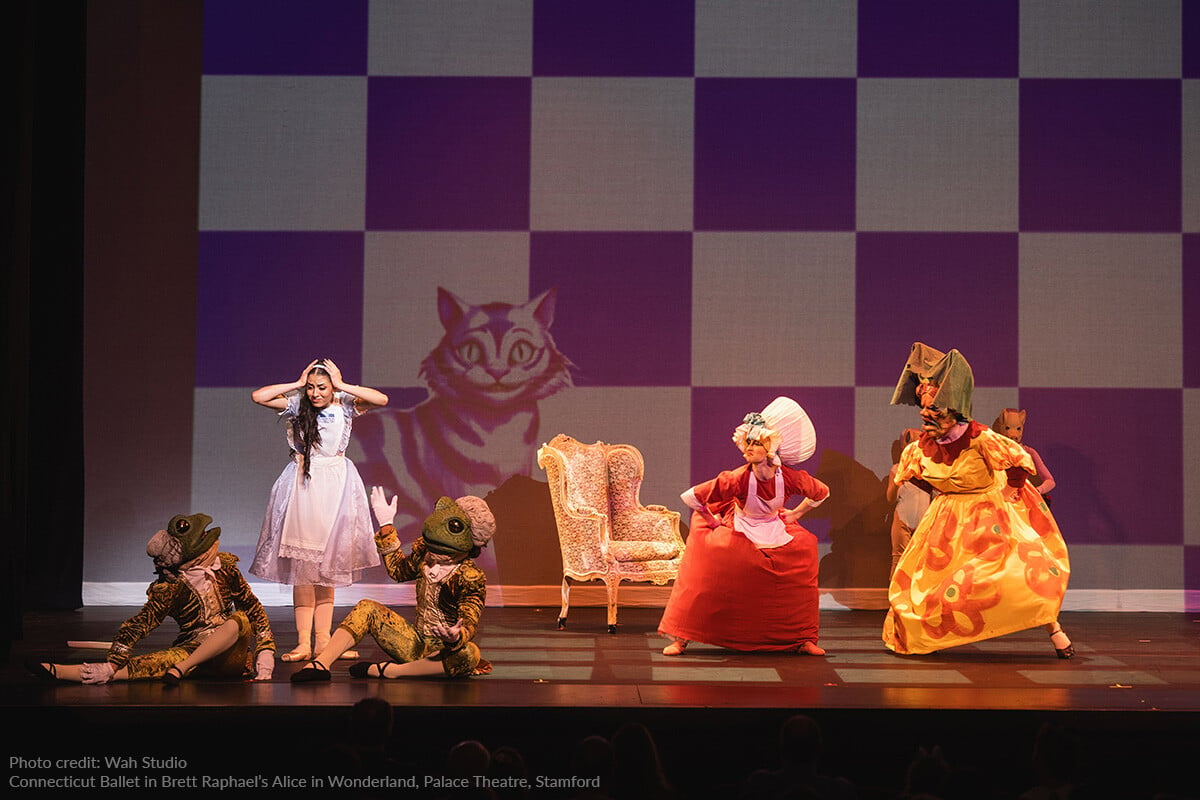
Why Connecticut Ballet chose Duètte for touring
Touring is the hardest test of a marley floor. Connecticut Ballet upgraded to Rosco Duètte because it stays flat despite the temperature swings a floor sees moving between venues — and it gives dancers immediate traction without extra grip treatment, so there are no ripples to work around and no installation delays. That dimensional stability is exactly what separates a purpose-built touring floor from a studio floor pressed into travel.
“I like that it's flat and there's no ripples. Usually there are ripples and we have to stay in one spot to jump and turn but this one is flat.”Carla Hernandez — Soloist, Connecticut BalletRead it on Rosco Spectrum →
Courtesy of Rosco Spectrum
Perspective · Rosco Spectrum
An ode to marley: why the surface matters
Marley became the industry-standard dance surface for a reason. Rosco Spectrum's piece walks through the role the floor plays for dancers at every level — from a beginner's first classes to a professional's stage — and why a safe, consistent, supportive surface underfoot is something dancers come to rely on without thinking about it. It's a good primer on why the floor is worth getting right, rather than treating it as an afterthought once the studio is built.
A good marley floor is the one dancers stop noticing — because it's doing its job. That's the standard to buy to.
Read it on Rosco Spectrum →Courtesy of Rosco Spectrum
Dance floor FAQs
Choosing and laying marley
How much do I need?
Measure the room, then add a little for overlap and trimming — rolls are 1.6m wide (Duètte ~2m), so you'll usually run several widths side by side and tape the seams. Rather than rounding up and paying for vinyl you won't use, send us the room dimensions and what it's for and we'll work out the quantity properly.
Can I lay it over concrete?
You can, but remember marley is a wear-and-slip surface, not a shock-absorbing one. Over a bare concrete slab it will feel hard and offer little cushioning for jumping — for serious dance a sprung timber subfloor under the marley is far kinder on bodies. Make sure the slab is clean, dry and level first. Tell us what's underneath and we'll advise.
What's the difference for ballet vs tap?
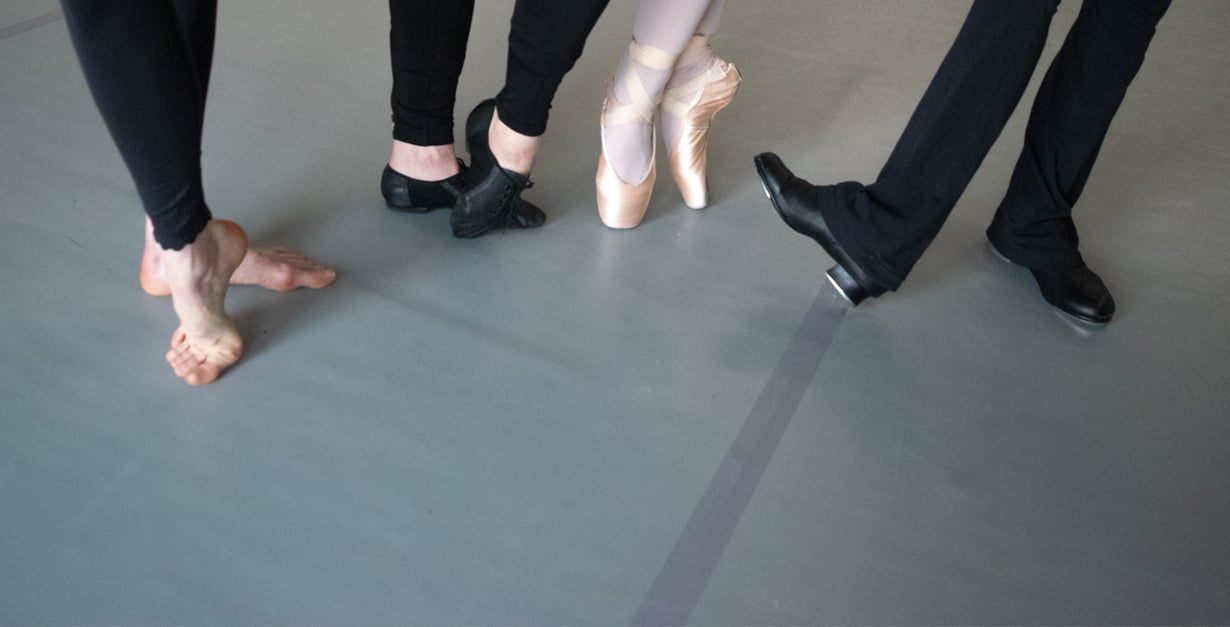
Ballet and pointe want controlled grip so dancers can turn and stop safely. Tap and percussive work want a firmer, more responsive surface that returns the sound of the step — the heavier Adagio is a popular tap choice, while the touring rolls suit ballet and contemporary companies. If a studio does both, we'll help you pick the best compromise.
Can I paint a marley floor?
No — don't paint vinyl marley. It's designed to flex, and a hard floor coating will crack and lift. If you want a black floor, lay a black vinyl floor over the top, or paint the timber subfloor before the vinyl goes down. Our studio and stage floor paint page covers where paint is the right answer.
Can I compare it to Tarkett or Harlequin?
Absolutely. If you've been quoted a Tarkett or Harlequin floor and want the Rosco equivalent, ask us — it's a fair comparison and we'd rather you made it properly. We'll line up gauge, width, surface and price so you're comparing like for like.
Get the right floor down.
Tell us whether it's staying put or touring, what's being danced on it and what's underneath — and we'll spec the floor, size the quantity and quote it. Rosco marley, held in stock in Australia.
Planning a studio, tour or home floor?
Send us the room dimensions and what it's for and we'll work out the quantity properly rather than rounding up. Trade accounts available for studios, venues, hire companies and schools. Exclusive Rosco distributor for Australia & New Zealand.