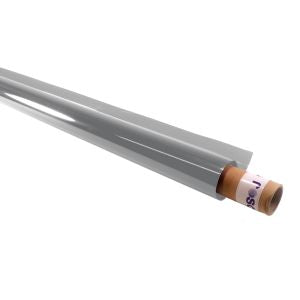


Control reflections and glare at the light source
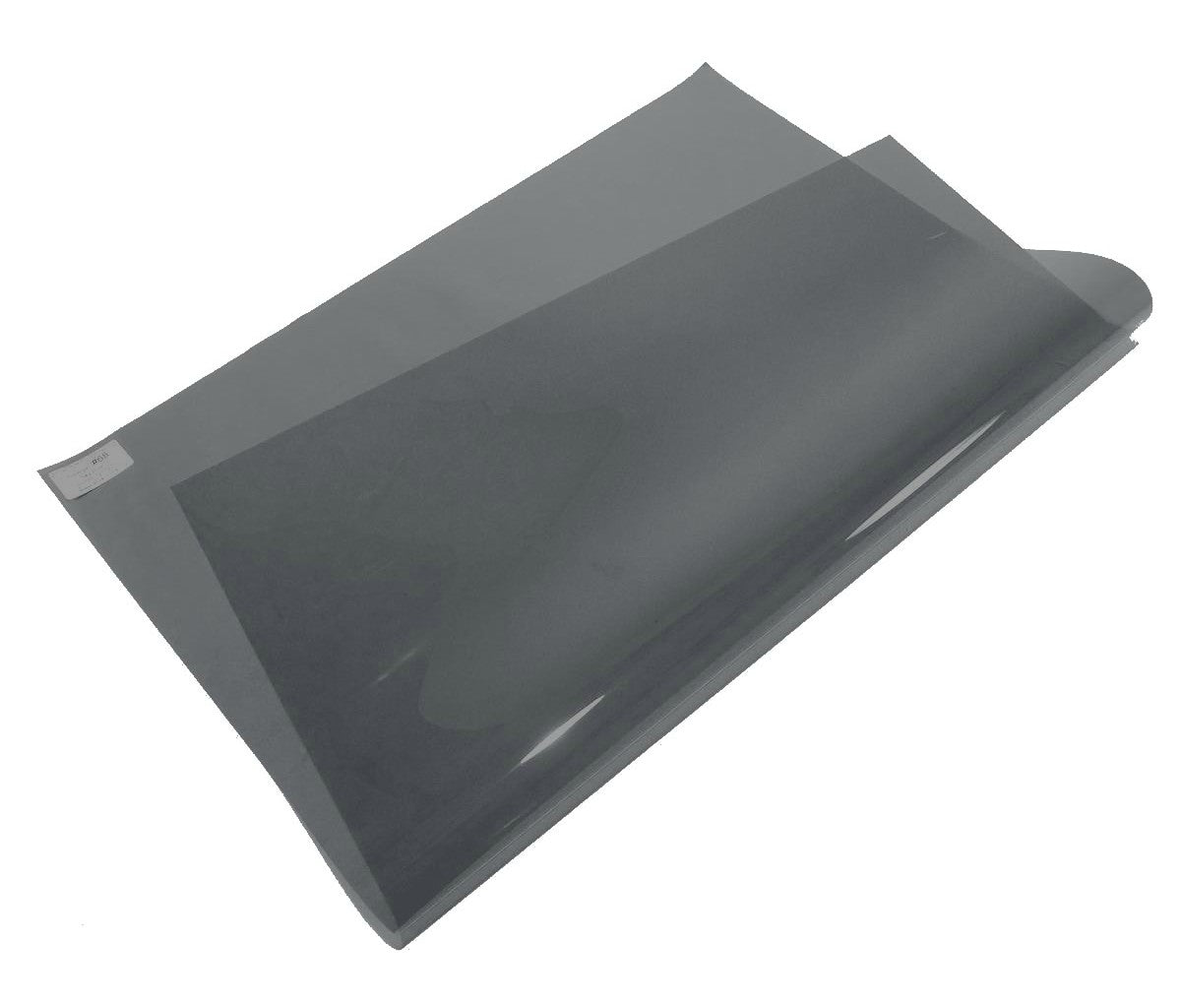
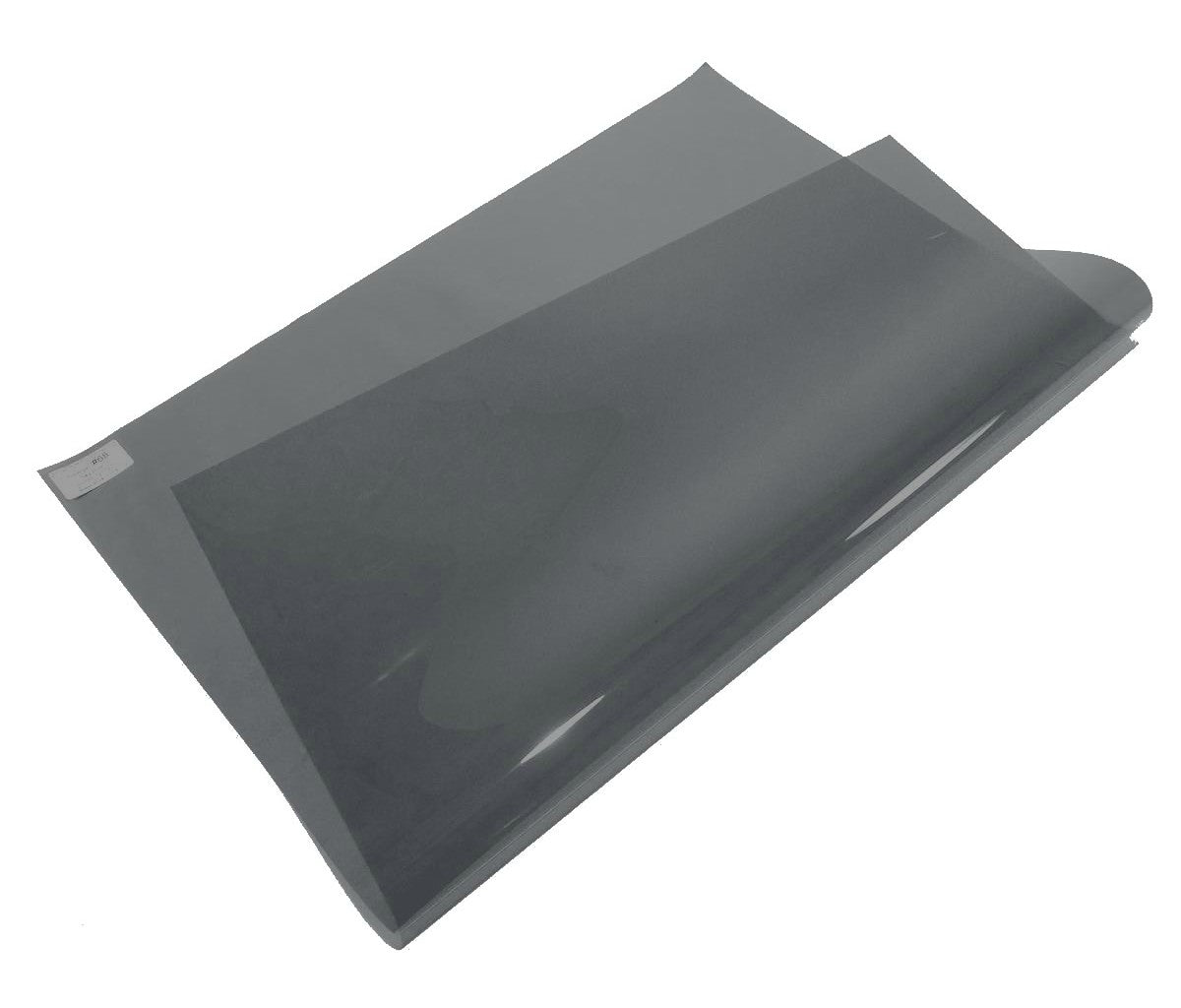
The Rosco Polarising Filter #7300 — a polarising gel for lighting — reduces reflections and glare in film, television and photography setups, and in display lighting. By filtering light-wave orientation it improves clarity, lifts contrast and lets you control reflections at the source, including cross-polarisation with a lens polariser.

How a polarising filter helps
A polariser blocks certain directions of light waves while passing others, cutting specular reflections and glare from smooth surfaces — glass, water, polished metal and glossy packaging.
- Reduces reflections from glass and shiny surfaces
- Improves contrast and colour clarity
- Controls glare in studio and location lighting
- Enhances visibility of textures and materials
- Works directly at the light source
- Neutral grey — minimal colour-temperature shift
Cross-polarisation
The most powerful use: a polariser over the light and a second on the camera lens. Rotating the lens polariser dramatically reduces or eliminates reflections.
Products
Product and advertising shoots, glossy packaging and labels.
Glass & liquids
Glassware, liquids and museum-display reflections.
Surfaces
Automotive paint and other reflective surfaces.
Available formats
| Format | Size | Typical use |
|---|---|---|
| Sheet | 43 cm × 50 cm | Lighting frames and small setups |
| Roll | 43 cm × 3 m | Studio lighting installations |
| Long roll | 43 cm × 15.24 m | Film production and large rigs |
Technical specifications
| Filter number | Rosco #7300 |
| Material | Acetate, 6 mil |
| Colour | Neutral grey (minimal colour-temperature shift) |
| Light transmission | 38% (approx. 1.5 stops) |
| Note | Natural curl due to material characteristics |
Installation & tips
Installation guidelines
- Mount in gel frames or filter holders in front of the fixture.
- Ensure the coated side faces the subject.
- Pair with a lens polariser for cross-polarisation.
- Keep distance between the filter and hot lights to prevent heat damage.
Tips for cinematographers & photographers
- Rotate the camera polariser to dial in reflection levels.
- Test polarisation angles before rolling or shooting.
- Combine with diffusion when shaping soft light.
- Handle carefully to avoid scratching the polarising layer.
Need help specifying?
Polarising results depend on light angle and surface. Ask us about sizes, cross-polarisation setups and pairing with diffusion.
Do not place the filter directly against hot fixtures — always allow airflow between the filter and the lamp. Polarising effect depends on light angle and surface characteristics.